

Maps
Imperviousness
All hard surfaces - roads, parking lots and rooftops - add
up to prevent natural infiltration of rain water; that is,
they make the land impervious. Stream health is directly correlated
with the percent of hard surfaces, or imperviousness, that
occurs in a catchment or watershed. As imperviousness increases,
rainwater rushes directly into streams and rivers carrying
sediment and other pollutants into local waters and the Chesapeake
Bay. More importantly, scientists see a breakpoint at which
the level of development or imperviousness in a watershed
leads to marked decline in the health of the stream environment.
That threshold is about 10 percent - when more than 10 percent
of the watershed is hard surface, stream quality begins to
suffer and sensitive species disappear. At about 15 percent
imperviousness, the stream is highly stressed - only pollution
tolerant species can be expected in such a stream. At 20-25
percent imperviousness, the stream is virtually devoid of
complex life.
We are currently collecting data to generate maps that show
imperviousness in the Washington Region. Please check this
site again soon.
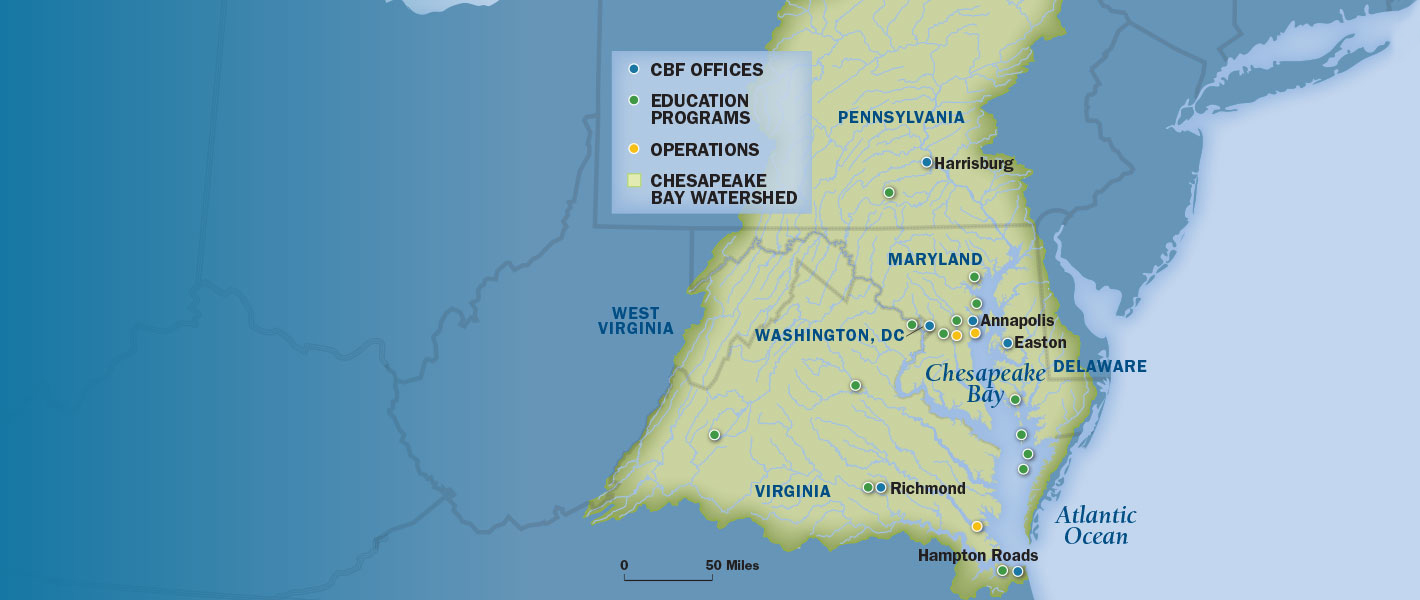
Washington
Region in the Chesapeake Bay Watershed
| Imperviousness |
Natural Resource & Agricultural
Lands
Protected Lands | Protected
Greenspace Inside the Capital Beltway
Urbanization
Future Growth
Model
|